Infrastructural Rehearsals: Creative responses to the green and digital transition
As the climate catastrophe intensifies, digital and green infrastructures are proposed as essential for addressing the ongoing social and environmental crises of today. The Swiss National Science Foundation project (SNSF) “Infrastructural Rehearsals: Creative Responses to the Green and Digital Transition” engages instead with the ways in which communities are imagining and practising their own infrastructural transformations.
Infrastructural Rehearsals
Infrastructural Rehearsals investigates and collaborates on imaginative community-led responses to the climate crisis under fossil-fuel driven racial capitalism today. As academics, artists, designers, researchers, activists, organizers and cultural workers we bring our experiences from different fields of knowledge, practices and terrains (Barcelona, Basel, Brussels, London, and Rotterdam). Together we figure out tools, methods, creative strategies and technologies to build capacity for international solidarity and resistance by engaging with grounded community responses that challenge the twinning of the green and digital transition. These responses, from resisting to remaking, problematise the “digital” as a solution for climate crisis and the energy transition; they try to make visible how massive institutional narratives, propaganda, funding bodies and industrial operations are being mobilised in favour of a skinny transition lane defined by racial capitalism. Business-as-usual is not an option for many grassroots communities whose situated experiences happen in the outskirts and in refusal of such projections. Instead, how are communities inventing modes and rehearsing day-to-day to widen the spectrum of what might be more timely ways of activating and taking responsibility for the transitions that are needed? Our endeavour aims at understanding how these rehearsals seek to sustain the future and livelihoods in the transition to a low-carbon economy and how their practices significantly shift tools, sites, and knowledge to make space for engagement with intersectional concerns such as social justice, queer futures, anti-imperialism and anti-racist approaches.
While being embedded in a wider network of associated groups and collaborators, the Infrastructural Rehearsals project came together through an initiative by the Critical Media Lab and The Institute of Technology in the Public Interest (TITiPI). Through this, we look for ways to: share knowledge for climate action storytelling, do bug-reporting on big tech, make toolkits, provide vocabularies or build community infrastructures. Drawing upon Ruth Wilson Gilmore’s idea of abolition as life in rehearsal, we look to model “the future from the present” by using our institutional resources towards actively making platforms, generatively problematizing deadly technosocial paradigms, or facilitating knowledge and skills that can be openly shared and redistributed. As Big Tech Cloud abolitionists, we’re rehearsing in its ruins, organizing towards a world in which many words fit.
Multimodal methodology
Through artistic and practice-based research, Infrastructural Rehearsals attends to actions and campaigns that actively and disobediently use techniques, protocols, technologies and infrastructures. As part of the methodology the research develops prototypes, toolkits, workshops and events to collectively study what infrastructural rehearsals might be, as creative anticipatory practices put forward by communities.
Through methods such as situated learning visits, drop-in sessions and on-the-spot toolkits, our inquiry investigates and collaborates on imaginative community-led responses to the climate crisis under fossil-fuel driven racial capitalism today.
Infrastructural Rehearsals generates important and urgent contributions to arts research and environmental scholarship across disciplines. Situated at the intersection of arts-based research, design practice, digital media anthropology, infrastructural humanities, queer feminist technoscience and science and technology studies (STS), the research will demonstrate through empirical research and an inventive multi-modal methodology:
- how infrastructure for the digital and green transition impacts socio-ecological relations, where the twin digital and green transition becomes a social-political infrastructure for addressing environmental change
- contribute to new knowledge in the arts, design and media practice through infrastructural rehearsals, empiric artefacts and on the spot critical toolkits
- contribute a set of practices that propose equitable approaches from arts-based knowledge for communities to mobilise in their responses to digital-environmental practice and policy
Research activities
Situated learning visits and Infrastudies
Situated learning visits learning with communities their histories of organisation around infrastructural struggles, especifically those related to digital and environment through creative practices:
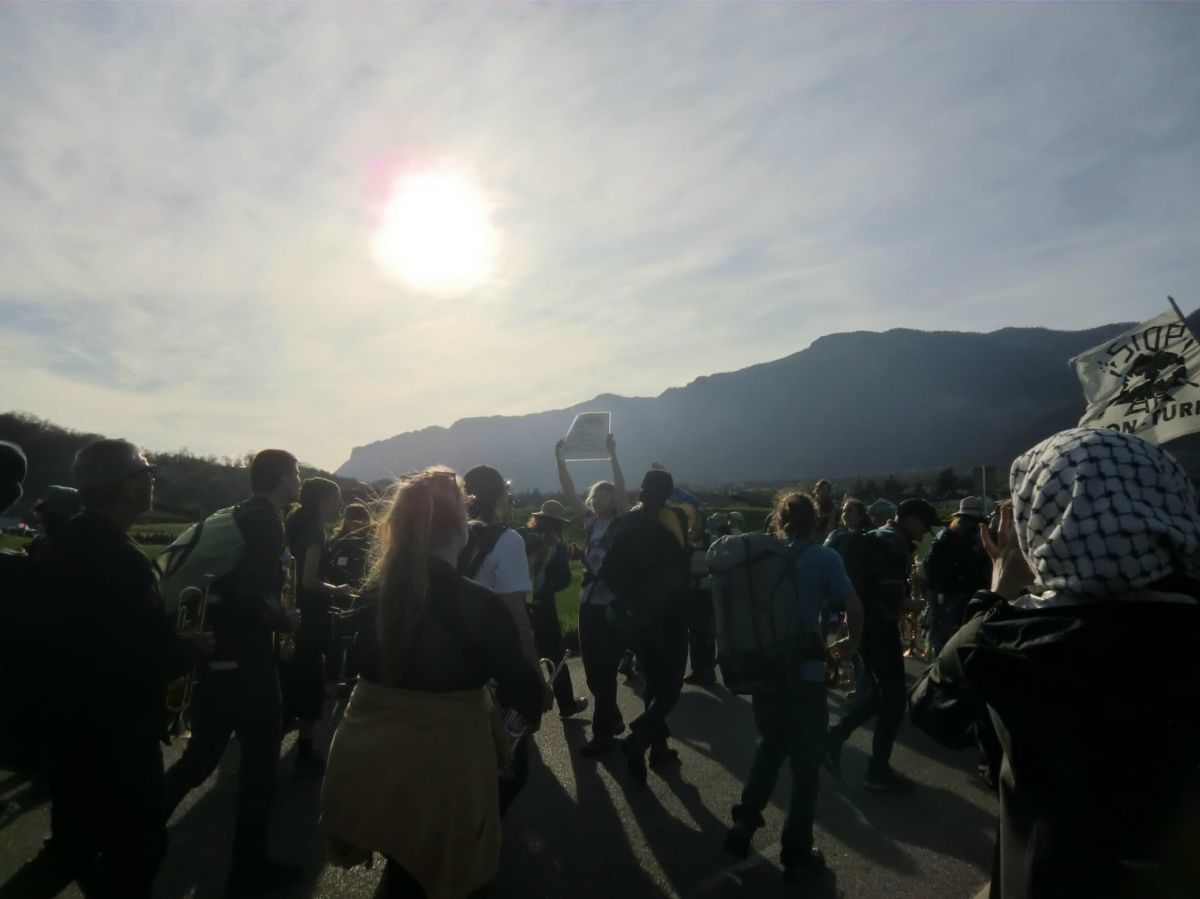
- Infra-Resistance multi-struggle solidarity gathering against the relocalisation of microchip industry; with SToP Micro and Soulevements de la Terre in Grenoble, France (March 2025)
- Observatorio de la luz, on what (else) constitutes energy communities; at Valverde de Burguillos, Extremadura, Spain (July 2025)
- Baobaxia and TFCN, Sao Paulo & Rio, Brazil (November 2025)
- Learning with the transnational critique on rewilding and conservation with Decolonising Botany, Thames Estuary, London, UK (January-June 2025)
- Land defense and resistance against a copper mine in Riehpovuotna in Norwegian-Occupied Sapmi and forest defense for the Ohredahke Sami village in Swedish-Occupied Sapmi.
Infrastudies
Infrastructural case studies articulate embedded practice-based research, action research and field work.
- Research in the sites of struggle at the expansion of a copper mine in the Artic Circle designated as a strategic project for the EU’s Critical Mineral Act
- Research in the scenes surrounding the development of a large-scale agrivoltaic parks for computational infrastructure managed by a Big Tech Corporation
- Research with collectives and unions proposing coalitions, networks and practices for energy communicities, micro grids, and otherwise computing
Drop-in sessions
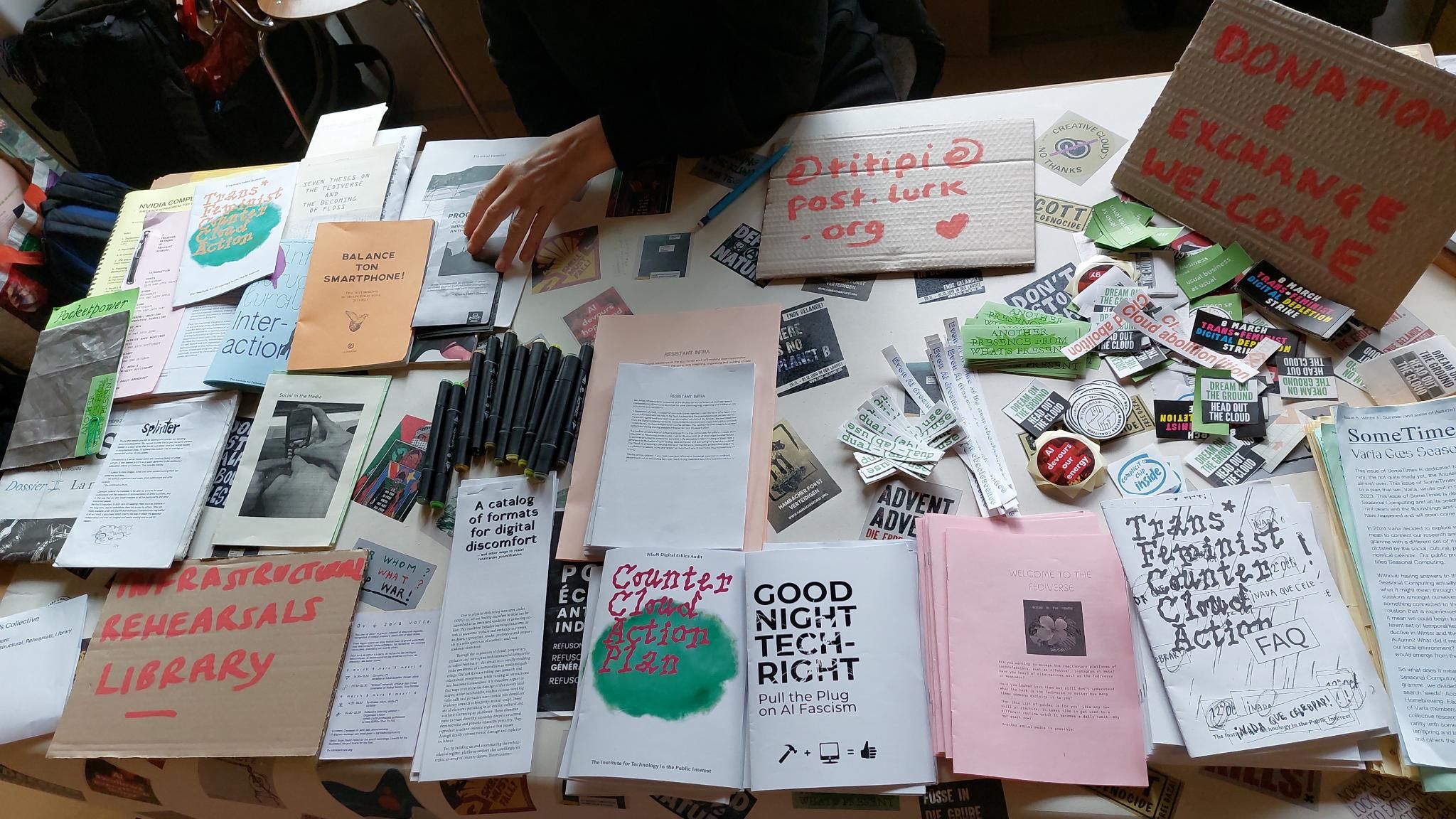
Drop-in sessions are curated situations that welcome porosity and wish to provide a sense of reciprocity. They emerge from being interested in, in support of co-constitutive knowledge practices, and provide with a context that is made as part of an event, situation or activity organised by others, which overlaps with our concerns. We come to drop-in sessions both being prepared (but not scripted) and making space for improvisation.
Drop-in sessions offer a possibility for knowing who we are where we are with our research questions and provide with an occasion for a collective articulation of pressing matters by those around the “table” (but it is not always a table). They work as a space for issues where there is no representation or where representations are normalised, a space for circulation of our own and other collectives’ stories.
Drop-ins happened in Amsterdam (2dH5), Brussels (Molenfest, A Bunch of Questions with No Answers), Extremadura (Observatorio de la luz), Basel (Klimate Camp, forthcoming)
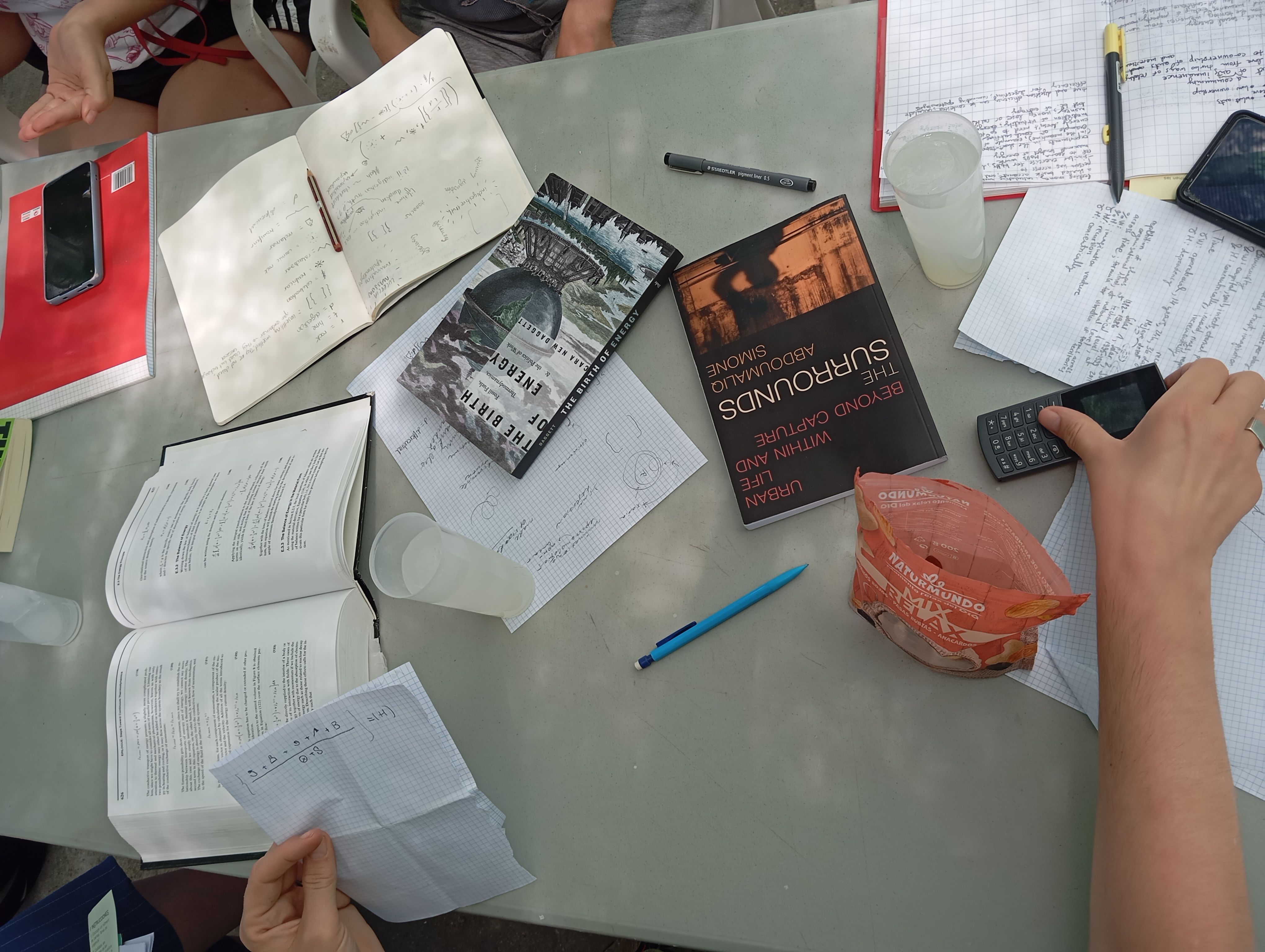
Worksession “Mutual Training for/by Portal Workers”
The worksession Mutual Training for/by Portal Workers provided spacetime to actively attend to, register and acknowledge the sensibilities, perspectives and modes of intervention that portal work towards liberation might entail. As an insurgent collective research situation, it allows us to read each other’s work in resonance and in solidarity with each other but without the need to cohere.
Training is about collectively engaging in a set of exercises, and repeating them in a more-or-less contained context to build capacity for applying that later on. Mutual training, then, implies collectivities arriving to the situation with a clarity of their practice ready to be shared, but also with an opening to be porous to the exercises and practices proposed by others.
Incident reports
Incident reports are a key element of the Infrastructural Rehearsals research project. They function in a multiplicity of directions, both as part of our ongoing research process and as specific entry-points for community research, inviting insurgent and replicable contributions.
With the help of triple triangulation method the reports provide a kaleidoscopic approach which combines scales, temporalities, range of specificity, etc. Our approach is inductive: we think from the case/incident and operate conceptual design from there in a “bottom-up” manner; this means we observe, detect policies/patterns/relations to then provide an analysis or formulate theory.
Stories to learn with
Stories to learn with are edited observations and theoretical reflections from the project’s leanings with communities in their organisational practice. The processing, editing and publication of these stories will result in a research guidebook for further community enquiry and creative practice.
Observatories
The observatories are a scenography for action research designed to interrogate the impact of a specific digital infrastructure. Participants can include engineers, organizers, activists, designers, labourers, accountants, policy people and other users. Together they utilize the prism of ‘transitions’ to arrive at an integrated understanding of how a technology manages change, through what a technology currently does, and through creative experimentation what it might do in the future and how it does so. Examples of technologies that can be studied in an observatory: carbon removal trading systems; an AI system for managing transactions in refugee camps; a mobile environmental management tool; a protocol for registering and communicating energy use.
An observatory lasts 2-3 days and ideally takes place in a space that is directly relevant to the institution that deploys the technology and the community that uses it. Based on the outcomes of the observatories, we then apply research in toolkits developed togther with communities.
Commissions/Community Research
Community Research Commissions invite non-academic actors to set the agenda and methods for, and format of three specific enquiries, each of which sets out to understand how creative strategies and infrastructures impact the design and governance of digital and green transitions.
Working closely with three different commissioned actors, we will inquire how creative research situations enable communities to exchange their concerns about digital and green transitions, how these situations contribute to the design and governance of the twin transitions, and what institutional infrastructures can further support the development, maintenance, and uptake of necessary transformations.
Events
- How can we organise against the greenwashing extractivism of Big Tech?, 2.Dh5 Weaving resistance in times of distress, Amsterdam (The Netherlands), 01.03.2025
- Infrastructural Rehearsals Drop-In: Queering Damage, Observatorio de la luz, Valverde de Burguillos (Spain), 17-19 July 2025
- Hybridity and fragmentation at the peripheries of digital infrastructures, STS CH - Holding things together? Change, continuity, critique, Zürich (Switzerland), 12.09.2025
- Panel «Hybridising Environmentality», STS CH - Holding things together? Change, continuity, critique, Zürich (Switzerland), 12.09.2025
- Practices towards interoperable imaginaries, 1st International Conference on Social Technologies of Memory / 12th International Digital Storytelling Conference, Sao Paolo (Brazil), 01.11.2025
- That Which Will Have Had to Happen. Mutual Training for/by Portal Workers, TITiPI work session, Brussels (Belgium), 27-30 November 2025
- “I’m training for a feeling that I don’t have yet”, That Which Will Have Had to Happen. Mutual Training for/by Portal Workers, Brussels (Belgium), 28-29 November 2025
- Not So Frequently Asked Questions, Decolonial Conference, LA (US, online), 27 March 2026
- Towards Cloud Abolition: articulations, contestations and reimaginations of computational infrastructures, Cables of Resistance, Berlin (Germany), 12 April 2026
- Lunarities: A cosmogram workshop on the political-relational ecologies of land, solar and computation, LIMITS - 12th Workshop on Computing within Limits, online, 26 June 2026
Work in progress
- A Kaleidoscope of
Portals is an experimental digital environment for errant
chronicles
- Various pages related to Infrastructural Rehearsals research in
progress on the TITiPI
wiki
Researchers
Helen V. Pritchard
Principal Investigator (PI) IXDM, FHNW

Professor Helen V. Pritchard is an artist-designer, geographer, activist
and queer love theorist. Their work considers how computational
infrastructures and digital media impact social and environmental
practice. Helen works with participatory and creative practice methods
for co-research, drawing on trans*feminist and queer approaches. Their
research addresses how practices configure the possibilities for life—or
who gets to have a life—in intimate and significant ways. As a
practitioner they work together with companions to make propositions and
designs for environmental media, regenerative energy and computing
otherwise, developing methods to uphold a politics of queer survival and
practice.
Since 2013, Helen has been a member of Citizen Sense, an award winning
group investigating the relationship between technologies and practices
of environmental sensing and citizen engagement: And, since 2020 a
co-organiser of The Institute for Technology in the Public Interest
(TITiPI), together they convene communities to hold computational
infrastructures to account and to create spaces for articulating what
technologies in the “public interest” might be. With TITiPI they are the
principal investigator on the CHANSE funded project ‘SOLiXG’. They are
also co-investigator on the Swedish Energy Agency funded project
‘Regenerative Energy Communities’, working at the intersections of
energy design and agro-ecology.
They are the co-editor of ‘Data Browser 06: Executing Practices’ (2018)
and ‘Sensors and Sensing Practices’ (2019), the manual Infrastructural
Interactions: Survival, Resistance and Radical Care (2022) the
forthcoming (2023) anthology ‘Plants By Numbers: Art, Computation and
Queer Feminist Technoscience’ and the Future Media Series for Goldsmiths
Press.
Helen is Professor and Head of Research IXDM, HGK Basel, University of
Applied Sciences and Arts Northwestern Switzerland FHNW. They also hold
an associate professorship in Queer Feminist Technoscience at University
of Plymouth. Helen also teaches on the MA Experimental Design at IXDM.
Miriyam Aouragh
Principal Investigator (PI) UoW
Miriyam Aouragh has a background in political anthropology (Vrije Universiteit Amsterdam) and Internet Studies (Oxford Internet Institute). She is Professor of Digital Anthropology at the university of Westminster. Aouragh has studied the implications of digital infrastructures across two decades. Initially as the internet was first introduced (“Web 1.0”) in Palestine and Lebanon and the morphed further with Bogging and Social networking (so-called “Web 2.0”) to understand how techno-social evolutions how “new” technologies coincide with mass uprising (Second Intifada 2000-2005). Securing several public grants (Rubicon NWO, Leverhulme ) Aouragh continued to focus on the political role of new digital tools and spaces, such as how these earlier developments manifested online and offline during the Arab Revolutions (2010-2015) and through her intensive ethnographic fieldwork among grassroots activists and social movements in Lebanon, Palestine and Morocco. This included critical analysing how technologgies enable counter-revolutions. She relates critical theory with online-offline dialects. She was selected for a full fellowship for the Institute for Advanced Studies to work on a review of her research on Palestinian internet spanning two decades (2023-2024) and invited to be TNI Fellow in acknowledgement of her public impact (2023-2028). Her publications include her monographs Palestine Online (Bloomsbury 2011); Mediating the Makhzan about the (r)evolutionary dynamics in Morocco (forthcoming CUP); and together with Hamza Hamouchene The Arab Spring a decade on (TNI 2022); and with Paula Chakravartty Infrastructures of Empire (forthcoming). See this page for full Publications/Output list.
Femke Snelting
Co-Investigator (CO-I) TITiPI
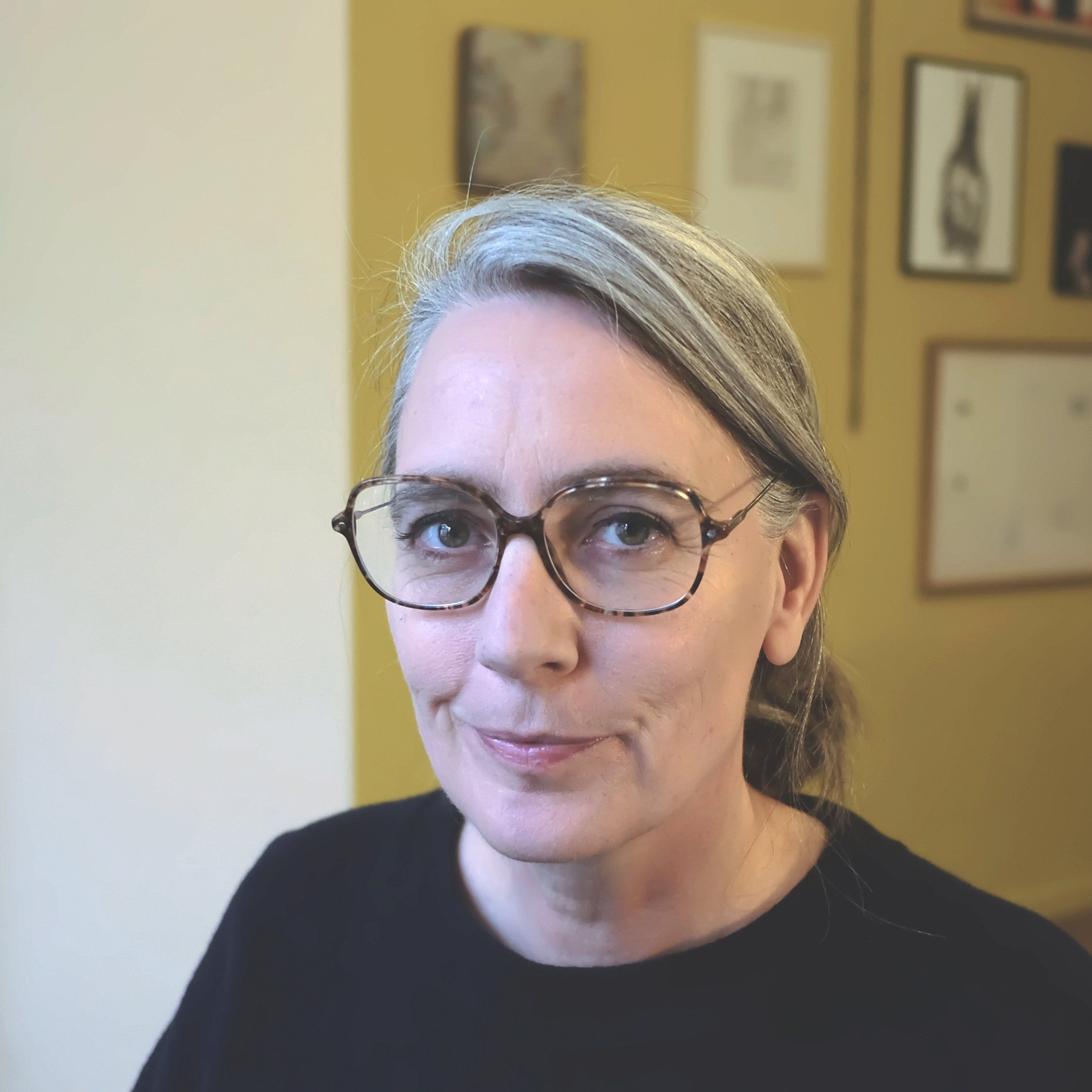
Femke Snelting develops projects at the intersection of publishing,
trans*feminism, and Free Software. In various constellations she works
on re-imagining computational practices to disinvest from technological
monoculture and from the regime of The Cloud.
With Miriyam Aouragh, Seda Gürses, Helen Pritchard and Jara Rocha, she
runs The Institute for Technology in the Public Interest. TITiPI is a
trans-practice gathering of activists, artists, engineers and theorists
that make space for articulating, contesting and reimagining what
computational infrastructures do to collective life. In the context of
SoLiXG, TITiPI develops Counter Cloud Imaginaries, so-and-sovereign
institutional infrastructures and modes of infra-resistance. With the
Infrastructural Rehearsals collective, TITiPI collaborates on proposals
and interventions that challenge top-down hegemonic approaches to the
climate crisis, from green-washing tech capitalists to state-sponsored
initiatives.
With Eva Weinmayr, Femke develops tools to address the tangled fabric of
collective artistic practice and taking on the implications of reusing
and sharing works made by others. With the Underground Division (Helen
Pritchard, Jara Rocha) she studies and loops computational imaginations
of rock formations. With Jara Rocha, she edited the publication
Volumetric Regimes: Material Cultures of Quantified Presence (Open
Humanities Press, 2022).
Femke supports artistic research at MERIAN (Maastricht) and contributes
to Nubo, a cooperative which provides locally hosted, Open Source
digital services.
Jara Rocha
Researcher, TITiPI
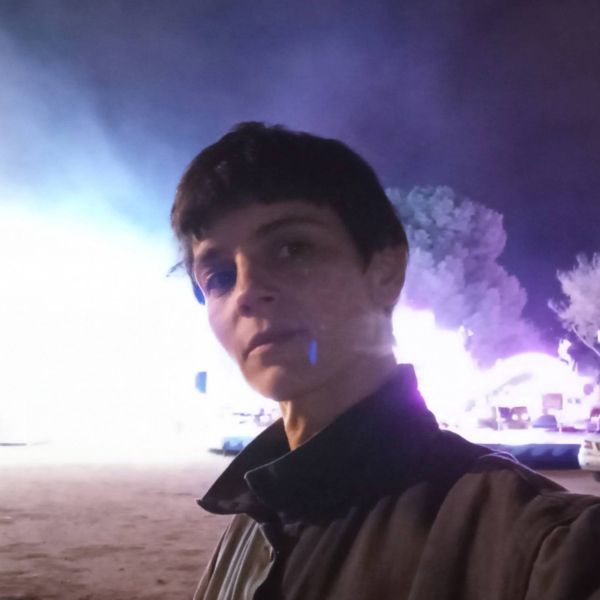
Jara Rocha is a researcher at The Institute for Technology in the Public
Interest (TITiPI) on Infrastructural Rehearsals: creative responses to
the green and digital transition and works across grounded and complex
forms of distribution of the technological with an enby, antifa and
trans*feminist sensibility. They tend to find themself in tasks of
writing, remediation, editing, action-research and in(ter)dependent
curating. Their main areas of experimentation have to do with the
semiotic-material conditions of possibility for regenerative
justice.
They are a member of TITiPI, The Institute for Technology in the Public
Interest and in such framework have participated for example in the
recent production of a Bug Report to Frontier Climate. With Femke
Snelting they published the book “Volumetric Regimes: Material Cultures
of Quantified Presence” (Open Humanities Press, 2022) and also with
Helen Pritchard they worked on the projects The Underground Division and
Queering Damage. With Karl Moubarak and Cristina Cochior they form the
Digital Discomfort Working Group (fellowship for situated practice BAK,
2021–22), and with Nicolas Malevé they co-edited the 23rd issue of the
journal Concreta, under the title “The Active Composition of Presence”
which is also related to their project at MACBA, High latencies. They
were also 2023 InfraMaintenance Fellow at Hangar / La Virreina with the
project LaaS (Life as a Service), and are an active part of the
curatorial board of La Capella art center.
They live in Barcelona, where they develop their pedagogical practice at
ESCAC film school and their program “Naturoculturas son Disturbios” is
erratically broadcasted from the local community radio Dublab.
Cristina Cochior
Doctoral Researcher, IXDM, FHNW
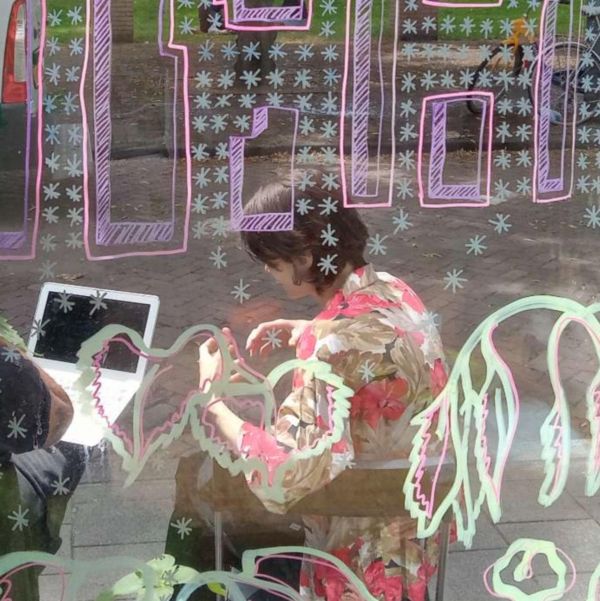
Cristina Cochior is a researcher and designer, whose work focuses on knowledge organisation systems, situated software, experimental publishing, community-run digital spaces, trans*feminist approaches to technology, and digital infrastructure in relation to alternative modes of organisation. Cristina is a member of the Rotterdam-based everyday technology collective Varia. Recent projects and collaborations include A Traversal Network of Feminist Servers, Digital Solidarity Networks, and Vernaculars Come to Matter. Cristina is currently a PhD candidate at the Basel Academy of Art and Design FHNW and part of the project Infrastructural Rehearsals: creative responses to the green and digital transition.
Cassandra Troyan
Doctoral Researcher, University of Westminster, CAMRI and IXDM, FHNW
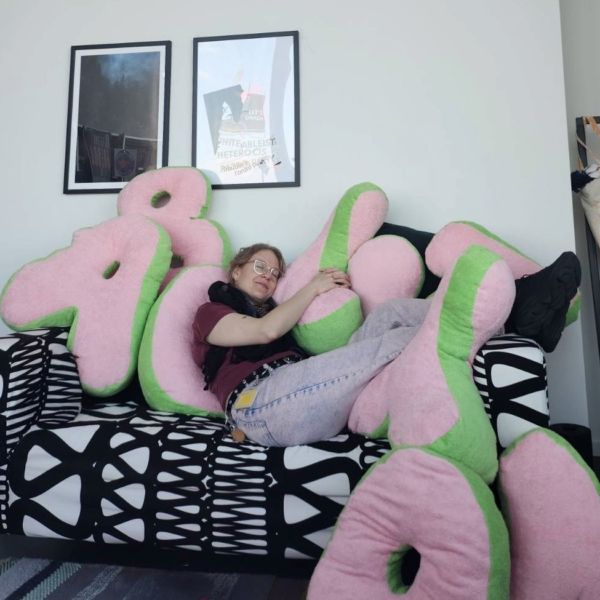
Cassandra Troyan is a writer, artist, designer. Their research investigates community-led infrastructural and land-based resistance to green colonialism in Norwegian and Swedish-occupied Sápmi, through artistic, collaborative and practice-based research methods. This work is grounded in over a decade of working with community-led responses and approaches to gendered violence, policing, sex worker rights, land defence, and mutual aid. Much of their practice within recent years takes the form of co-creating spaces for collaborative processes or political interventions through abolitionist methods in projects such as, The Anti-Menagerie (2021–Ongoing), In the mouth of the polar bear (Fundacio Foto Colectania, Barcelona, 2021) and GROUNDINGS (Linnaeus University, Sweden, 2022). Individually, they are the author of several books of multi-genre works, wherein they explore how carcerality functions as a mechanism for control between the state, communities, and their collective forms of resistance, in, A Theory in Tears (2016), Freedom & Prostitution (2020), and Against Capture (2022). Cassandra is currently a doctoral researcher in the SNSF-funded project Infrastructural rehearsals: creative responses to the green and digital transition (2024–2028), a PhD candidate at the University of Westminster in The Communication and Media Research Institute (CAMRI) and an associated PhD researcher in the MAKE/SENSE programme at Basel Academy of Art and Design FHNW.
Tina Frank
Collaborator
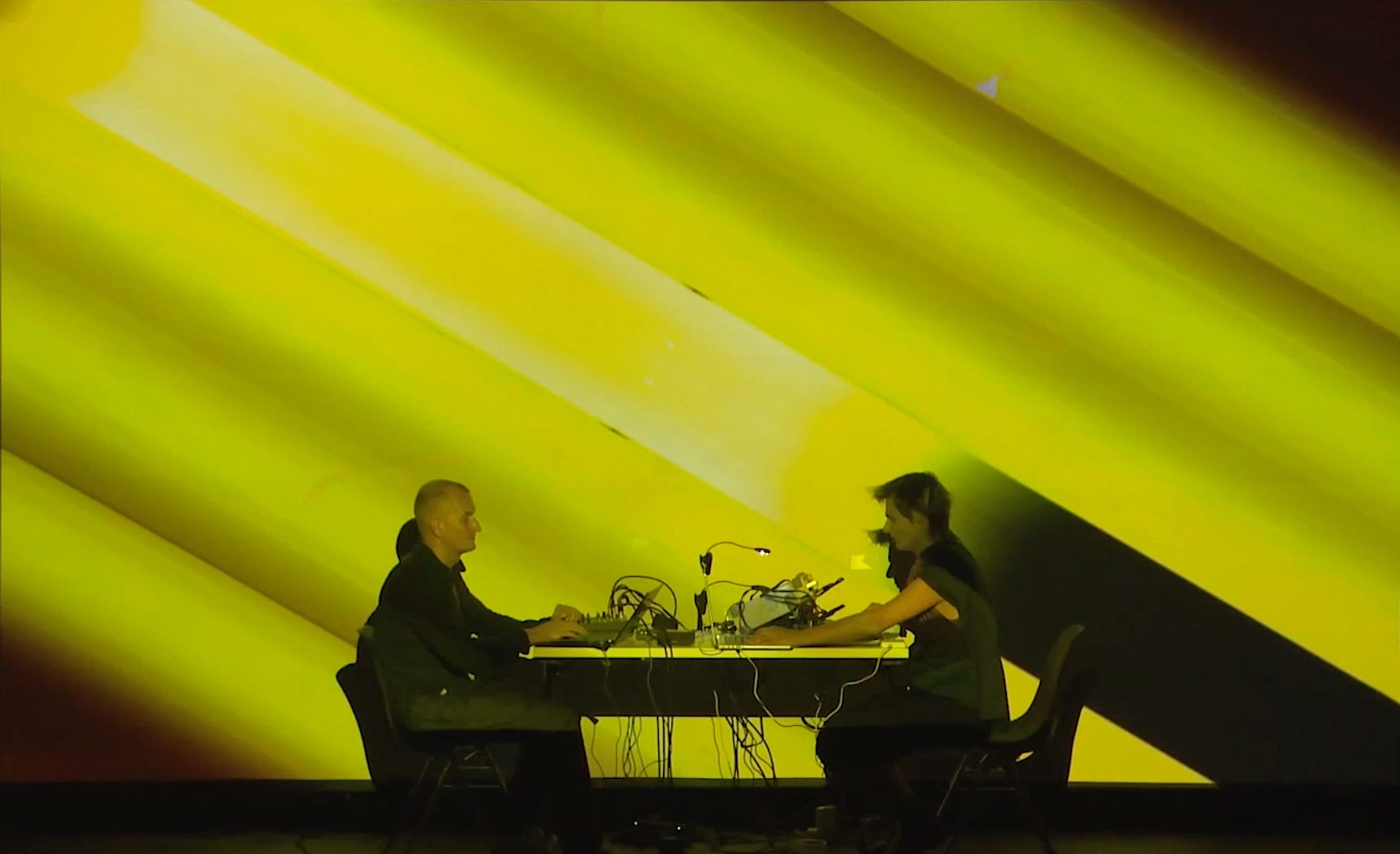
Tina Frank is a visual artist, designer and professor at the University
of Art and Design Linz where she is heading the Department Visual
Communication at the Institute for Media.
Her current focus in teaching is on digital publications, data
visualisations and synaesthetic experimentation. Together with Marianne
Pührerfellner and Sabine Kienzer she established splace-magazine.at for
the University of Art and Design Linz as an explorative and playful
communication tool, that investigates into possibilities of
publications, exhibition and media formats. Tina Frank lives and works
in Linz and Vienna.
Aasiya Lodhi
Collaborator

Dr. Aasiya Lodhi joined the University of Westminster, UK, following sixteen years at the BBC in London. She worked at the BBC as a sound engineer, a researcher, a reporter, and a producer/senior producer specialising in arts, documentary and current affairs at Radio 3, Radio 4 and the World Service. Her educational background is in Literature, and her PhD examined the relationship between colonial ideology, writers and mid-twentieth century BBC Radio. Aasiya is currently writing a history of radio voice and racial liberalism in fifties Britain through a focus on six major authors, including Doris Lessing, George Lamming and Stuart Hall. Another strand of her research fosters public engagement on questions of race, gender and class via the exploration of media archives. Her project ‘Reclaiming a Lost Past: Black British Women, Visibility and the BBC’, in partnership with BBC History, the Feminist Library, and the Young Vic Theatre, worked with schoolchildren and feminist organisers to interrogate the double bind of media visibility in Britain. She also works with the Stuart Hall Foundation to nurture political public education, chiefly by presenting the Reading the Crisis series.
Partners

Led by: Critical Media Lab, Institute Experimental Design and Media Cultures (IXDM), Basel Academy of Art and Design FHNW, Basel (CH)

Led by: Westminster School of Media and Communication, University of Westminster

Partner: The Institute for Technology in the Public Interest (TITiPI)

Funded by: Swiss National Science Foundation (Project Grant). September 2024 - August 2028
Contact
You can find regular updates of the project at our Mastodon account: @infrarehearsals@post.lurk.org
This website is made with Octomode, a collective editing software for PDF and html making, using Etherpad, Paged.js and Flask developed by Creative Crowds. This Octomode instance is hosted by Varia. The current website is a work in progress and holds the space for something else to come!